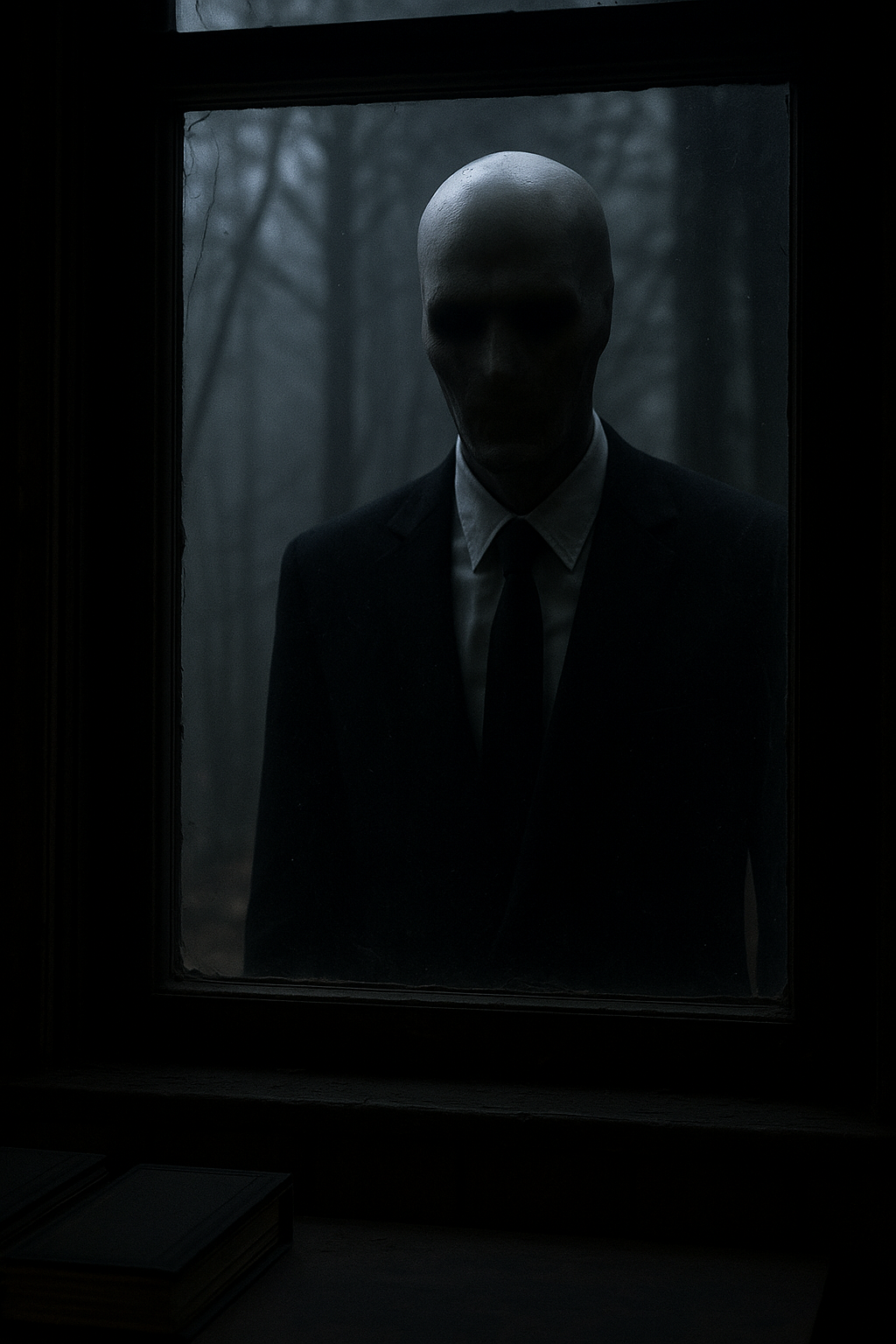
As a Catholic, this book had me thinking about the Anti-Christ, and I find the meditation disturbing and perhaps as hard to look away from as I guess the French people found it hard to look away from guillotine executions.
It was a peculiar reading experience, Meursault maybe the anti-Christ, or he may just be like anyone else. He sounds like a human being divorced from himself in that he describes the tremors of fear in his body as something that isn’t happening to him, hasn’t happened to him, and just outright doesn’t matter, even as it really does happen to him. I think I caught like two desires from this man: 1. Marie, and 2. I’d probably sum up as that we stop wasting his time. He has relatable characteristics in that he seems to really like women and also he has a job. His life strikes me as horribly sad; it really hurt actually to read that he could feel everyone hate him. His life seems to be one of knowing that he will never get what he wants or needs, and somehow being ok with it.
The strangeness of this character is everything his case becomes about. His being guilty is obvious, but his humanity is something I imagine will be up for debate for a long time to come. My personal sense of it is that I don’t know if he is or is not an accurate portrayal of our common humanity. I like to believe in our similarities triumphing over all the unimportant differences, but it seemed to me Meursault got a happy ending in his eyes, what to my eyes seemed a nightmare. So I don’t know. Maybe he is the anti-Christ?
I recall that the prosecutions argument against Meursault’s humanity seemed to paint Meursault as an original sinner, Satan that is. He seemed to be arguing about the larger karmic consequences of our actions, and it appeared to me perhaps what he was trying to say about Meursault is that his living influence perverts the timeline, like how Satan’s original sin perverts the timeline a.k.a reality or, the universe. Or that’s what my mind assembled with the sentence components Meursault provided that one chapter. I guess that’s why the prosecutor asks for the death penalty. To remove the stain from the cloth of reality.
Honestly, the more I think about it, the more freaky everything gets. I see a possibility in which Meursault is not the anti-Christ but a result of the real anti-Christ already walking the earth; the influence of divine and infernal things being so far beyond our comprehension that it effects us in ways we have a lot of trouble detecting. I find myself thinking of the parricide and that it should be noted to us as being on trail right after Meursault’s. I think it is suggested outloud that the decision in Meursault’s case has an effect on the trail for the perricide.
Anyways, that’s enough free content for one night. Albert Camu’s The Stranger is a great read that becomes more disturbing to me the more I think about it. So I’m going to stop thinking about it for now.
-Danny